An Overview of the advantages of ordering from meat market delivery services.
The Complete Guide to Discovering Your Neighborhood Meat Market: Benefits and Offerings
Checking out a local meat market can disclose a variety of benefits that expand past mere shopping. These markets usually provide fresher and much more diverse alternatives contrasted to standard grocery stores. They likewise provide a chance to involve with experienced personnel that can lead clients in their selections. The advantages do not stop there. Recognizing the more comprehensive ramifications of local sourcing might transform the way one comes close to meat usage entirely. What other insights wait for those ready to check out?
Understanding the Worth of Regional Sourcing
Numerous customers may ignore the advantages, neighborhood sourcing in meat markets supplies significant benefits that extend beyond mere benefit. By buying meat from local providers, customers commonly delight in fresher items, as these meats are normally processed and marketed more promptly than those sourced from far-off farms. This quality not only improves flavor yet also supports far better dietary value
Neighborhood sourcing adds to the local economy, assisting tiny farmers and services thrive while decreasing the carbon footprint associated with long-distance transportation. Customers can additionally get a much deeper understanding of the sourcing practices, cultivating a connection to the neighborhood agricultural area. This openness commonly causes higher animal welfare standards, as regional manufacturers are much more likely to carry out moral methods. Ultimately, selecting locally sourced meats encourages consumers to make educated choices that benefit both their wellness and their area, producing an extra sustainable food system.
Checking Out Distinct Cuts and Specialized Meats
Neighborhood meat markets typically feature special cuts and specialty meats that may not be discovered in larger food store. These artisan offerings can include rare varieties, showcasing the diversity of regional animals. Exploring these options allows customers to discover new flavors and support regional farmers.
Neighborhood Craftsmen Offerings
What special tastes and textures wait for at a neighborhood meat market? Local artisan offerings offer a selection of distinctive cuts and specialized meats that accommodate varied culinary choices. From heritage types to dry-aged beef, customers can uncover top notch items not commonly located in supermarkets. Artisan butchers usually concentrate on ethical and sustainable sourcing, guaranteeing that meats are increased humanely and with treatment. Distinct prep work, such as house-made sausages and charcuterie, display the skills and creativity of local artisans, inviting expedition and testing in home cooking. Additionally, seasonal offerings highlight local tastes, enabling consumers to attach with their community and support small companies. Embracing these craftsmen items can raise any type of meal and boost the general eating experience.
Unusual Meat Varieties
Checking out the offerings at a neighborhood meat market reveals an interesting option of uncommon meat ranges that can elevate culinary experiences. Distinct cuts such as bison ribeye, lamb neck, and goat shoulder offer consumers the opportunity to try out flavors and appearances that differ from standard meats (meat market delivery). Specialty products like venison, swine, and also video game birds give a taste of the unique, appealing to daring palates. Furthermore, these markets often resource sustainably increased pets, making certain high quality and ethical techniques. Knowledgeable butchers can recommend cooking methods and pairings, boosting the total eating experience. By accepting these rare ranges, home cooks can develop unforgettable meals that celebrate diverse cooking practices and display the richness of local farming
The Significance of Sustainability in Meat Manufacturing
Sustainability in meat manufacturing plays a vital role in forming honest farming methods and lowering environmental effect. By prioritizing local sourcing, consumers can support farms that prioritize pet well-being and lasting methods. This focus not only profits the ecological community yet likewise fosters a stronger connection between manufacturers and their neighborhoods.
Ethical Farming Practices
Just how do ethical farming methods add to an extra sustainable meat production system? These practices prioritize animal well-being, making sure that livestock are increased in humane problems. By offering animals with adequate area, access to pasture, and a natural diet, moral farming improves their health and wellness and well-being, resulting in higher-quality meat products. Honest ranches usually execute rotational grazing and various other lasting strategies that promote soil wellness and biodiversity. This approach reduces dependence on synthetic inputs and assists maintain regional ecosystems. Additionally, moral farming fosters a link between producers and customers, encouraging openness and responsibility in the food supply chain. Ultimately, these techniques not just profit animals however likewise contribute to a much more resistant and lasting farming system.
Ecological Influence Decrease
As the need for meat continues to rise, the significance of lowering ecological effects in meat production becomes increasingly evident. Traditional meat production is connected to substantial greenhouse gas exhausts, deforestation, and water depletion. Sustainable methods, such as rotational grazing and integrated crop-livestock systems, can minimize these results by advertising dirt health and minimizing dependence on chemical inputs. In addition, purchasing local meat markets encourages manufacturers to adopt eco-friendly techniques, as consumers increasingly prioritize sustainability. By selecting meat sources that focus on pet well-being and ecological stewardship, individuals can add to a more lasting food system. Inevitably, recognizing the ecological implications of meat manufacturing empowers consumers to make informed selections that support both their wellness and the planet's wellness.
Regional Sourcing Advantages
While many customers may not understand it, local sourcing of meat significantly boosts sustainability in food manufacturing. By sustaining neighborhood farms, consumers minimize the carbon impact associated with long-distance transport. Furthermore, local meat manufacturers usually employ extra ecologically friendly and gentle practices contrasted to massive industrial operations. This method fosters biodiversity and advertises animal well-being. Local sourcing strengthens the regional economy by keeping funds within the neighborhood and motivating lasting agricultural techniques. It additionally allows customers to develop a much deeper connection with their food resources, promoting openness in manufacturing approaches. Inevitably, focusing on regional meat not just benefits specific health yet likewise adds favorably to environmental sustainability, making it a liable choice for diligent consumers.
Structure Relationships With Your Butcher
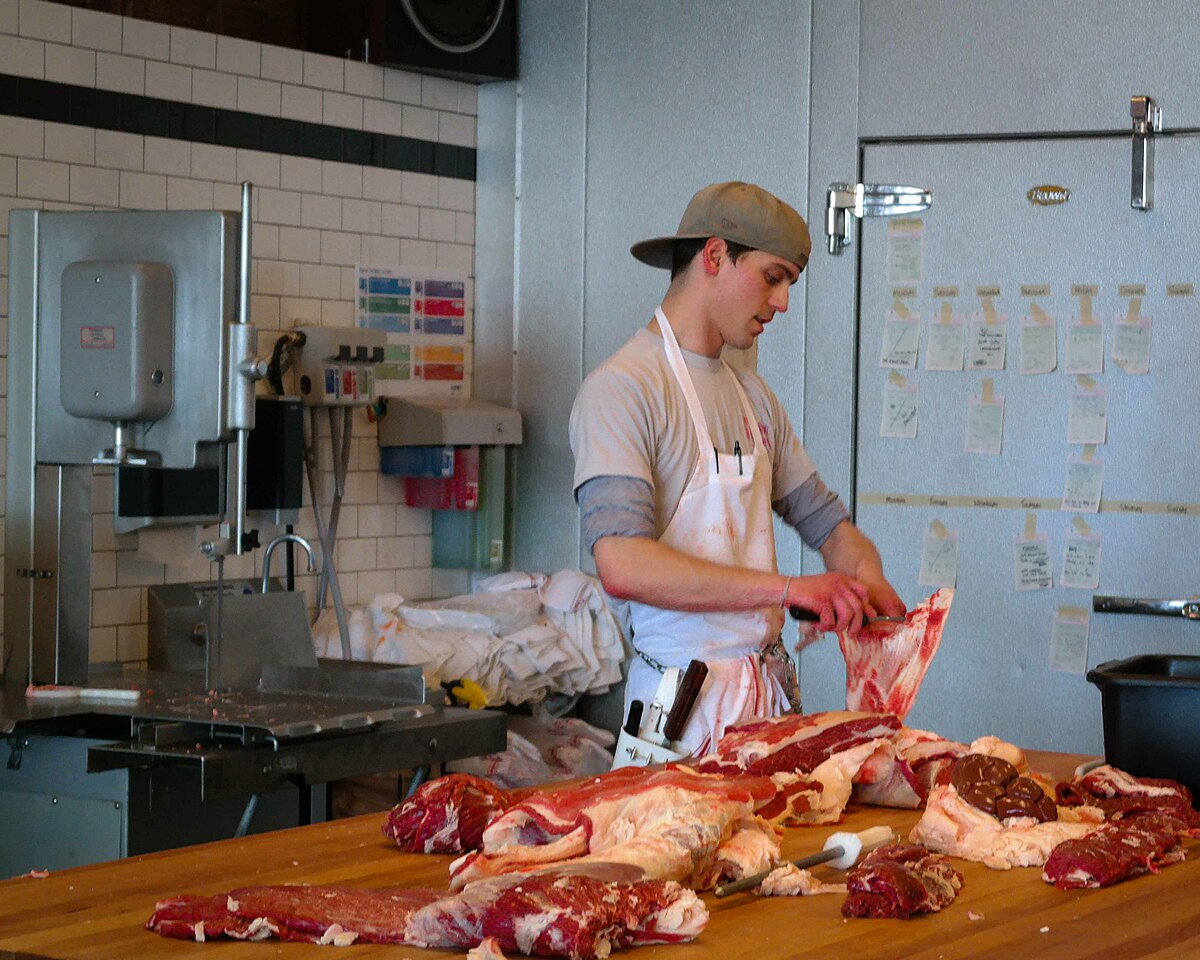
Building a relationship with a neighborhood butcher can greatly improve the meat-buying experience. Establishing a link cultivates trust fund, permitting consumers to seek tailored suggestions tailored to their cooking needs. An educated butcher can offer understandings right into the ideal cuts for certain dishes, prep work techniques, and cooking times, transforming a basic purchasing trip right into an educational experience.
Normal communications can lead to unique deals or access to specialty things not readily available to the general public. A butcher who knows their consumers is most likely to prioritize top quality and quality, ensuring complete satisfaction with every acquisition. Furthermore, this connection can motivate a sense of neighborhood, as consumers really feel more linked to the regional food network. Engaging with a butcher not only enriches the customer's understanding of meat products yet additionally sustains local services, producing an equally useful relationship that grows on count on and quality service.
Tips for Choosing the very best Meats
When selecting the most effective meats, customers need to focus on numerous key variables that assure both high quality and taste. Quality is essential; meat should have a vivid shade and a tidy, pleasurable scent. Customers need to also examine the marbling, as intramuscular fat improves inflammation and taste. Additionally, recognizing the cut is important; various cuts serve various food preparation techniques and dishes, so recognizing the intended usage can lead choices properly.
Another important facet is sourcing; acquiring from local butchers or reliable providers often means greater top quality standards. Customers need to ask about the meat's origin and any type of techniques associated with animal well-being or feeding. Ultimately, examining for proper packaging and storage space at the market can show exactly how well the meat has been cared for. By considering these variables, customers can make enlightened choices that result in a more enjoyable culinary experience.
Supporting Local Economic Climates and Communities
Supporting neighborhood economies and areas is an often-overlooked advantage of shopping at neighborhood meat markets. When customers select to buy from these facilities, they add directly to the resources of local farmers, ranchers, and artisans. This support promotes a sustainable farming system and get more info reinforces local economic situations, as money invested locally has a tendency to circulate within the area, developing work and boosting regional facilities.
Neighborhood meat markets usually resource their items from nearby farms, reducing transportation prices and carbon footprints. This not only advertises ecological sustainability however likewise enables consumers to appreciate fresher, higher-quality meats.
On top of that, these markets usually participate in area initiatives, such as funding regional events or supporting food financial institutions. By prioritizing neighborhood meat markets, customers play a necessary function in nurturing their communities and ensuring the survival of little services, which ultimately enhances the social material of the location.
Regularly Asked Inquiries

What Are the Normal Operating Hours of Regional Meat Markets?
Regular operating hours for local meat markets frequently vary, however lots of open in between 7 AM and 9 AM, shutting between 5 PM and 7 PM. Some may also offer extensive hours on weekend breaks for ease.
Do Neighborhood Meat Markets Deal Shipment Providers?
Lots of local meat markets do provide delivery services, although availability differs by place. Consumers must ask directly with their local market to verify whether this solution is supplied and any kind of affiliated fees or problems.
Are There Vegetarian Options Available at Meat Markets?
Numerous regional meat markets do supply vegetarian choices, such as plant-based sausages, marinated vegetables, and specialized cheeses. These selections satisfy diverse nutritional choices, attracting both meat enthusiasts and those seeking meat choices.
How Can I Discover a Local Meat Market Near Me?


To locate a neighborhood meat market, one can search online through directory sites or maps, ask neighbors for referrals, or visit neighborhood farmers' markets that typically include vendors specializing in meat products.
What Payment Techniques Do Neighborhood Meat Markets Accept?
Neighborhood meat markets typically accept various repayment techniques, including cash money, debit, and credit score cards. Some might also provide mobile repayment alternatives or loyalty programs, improving benefit and encouraging repeat service amongst their clients.
By buying meat from local providers, consumers usually enjoy fresher products, as these meats are normally processed and offered a lot more promptly than those sourced from distant farms. Regional meat markets usually include distinct cuts and specialty meats that may not be found in bigger grocery shops. Checking out the offerings at a community meat market reveals an intriguing option of unusual meat ranges that can boost culinary experiences - bagley's meat market. As the need for meat proceeds to increase, the value of minimizing ecological impacts in meat manufacturing becomes progressively noticeable. Sustaining neighborhood economic situations and neighborhoods is an often-overlooked advantage of buying at local meat markets